
Outdoor Fiber Distribution Pedestal
Key Features
- High-quality materials and construction
- Industry standard compliance
- Rigorous quality testing
Engineered for Demanding Outdoor Fiber Distribution
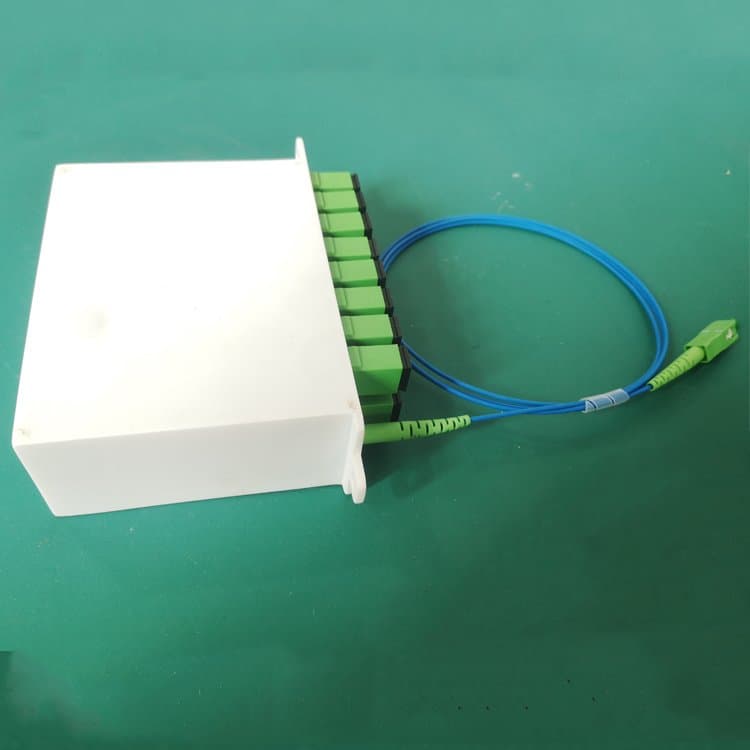
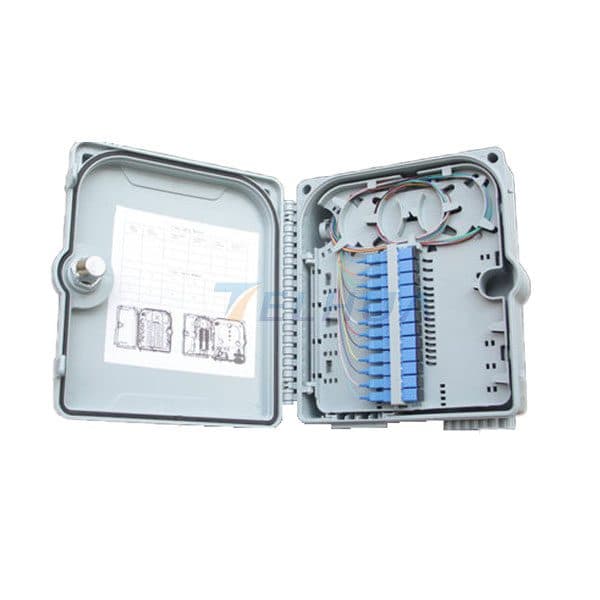
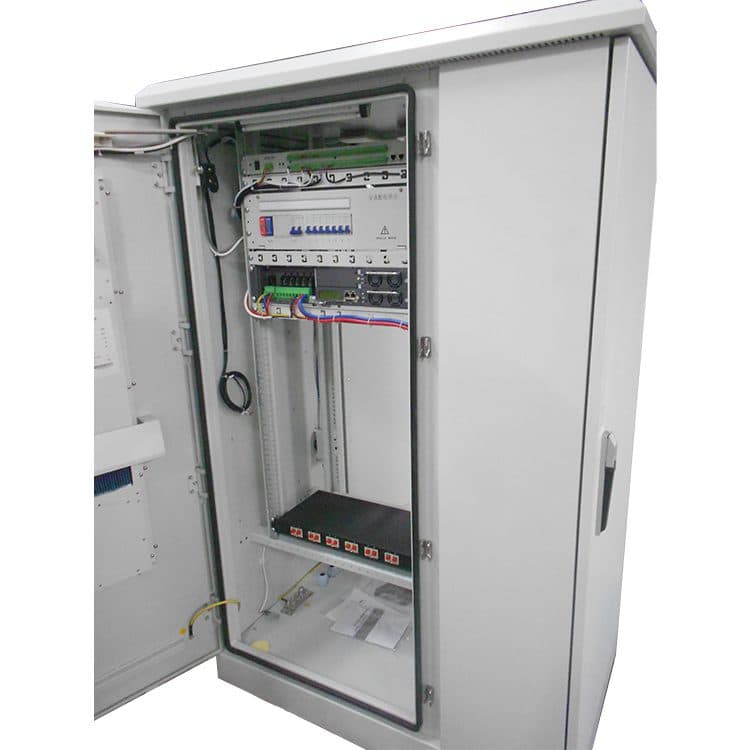
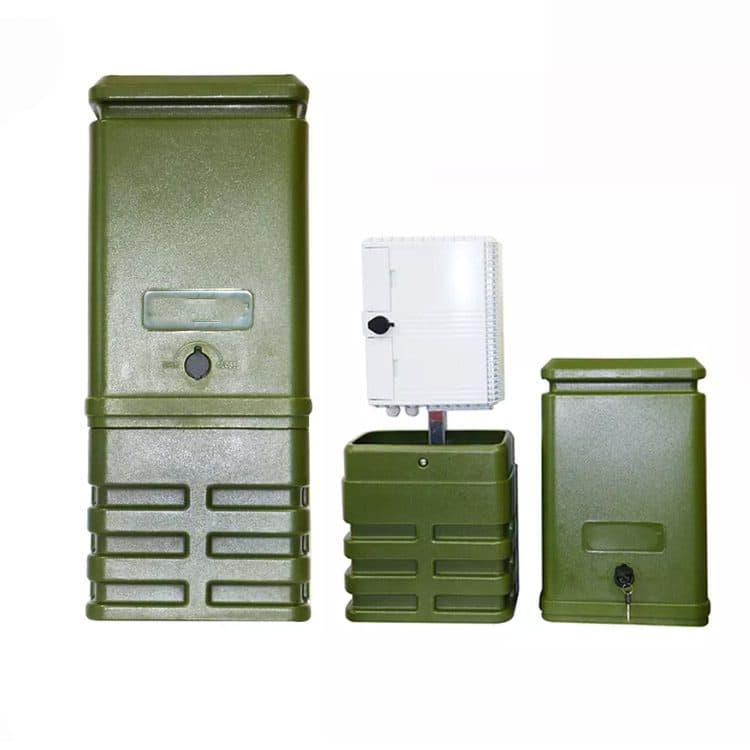
Telhua's Outdoor Fiber Distribution Pedestal provides a robust, high-density termination and splicing point for fiber optic networks in external environments. Designed for telecommunications carriers, ISPs, and enterprise network operators, this pedestal ensures reliable signal integrity while withstanding harsh weather conditions, temperature fluctuations, and physical impacts.
Solve Critical B2B Deployment Challenges
Network expansion and maintenance require equipment that addresses real-world operational pain points. Our pedestal is engineered to deliver:
- Maximized Density: Accommodates high fiber counts in a compact footprint, optimizing space in congested right-of-way areas.
- Uncompromising Reliability: Sealed construction protects splices and connectors from moisture, dust, and contaminants, minimizing signal loss and downtime.
- Rapid Installation & Access: Modular design and intuitive layout enable faster deployment and easier maintenance, reducing labor costs and service restoration times.
Technical Specifications
| Specification | Value |
|---|---|
| Model | OFDP Series |
| Housing Material | UV-Stabilized Polycarbonate Blend |
| Ingress Protection | IP68 Rated |
| Operating Temperature | -40°C to +75°C |
| Maximum Fiber Capacity | Up to 144 fibers |
| Mounting Options | Direct Burial, Pole Mount, Pad Mount |
| Standards Compliance | IEC 61753, TIA/EIA-568, RoHS |
Telhua Engineer's Tip
For optimal long-term performance in coastal or high-humidity environments, apply a thin layer of dielectric grease to the pedestal's O-ring seal during installation. This prevents salt crystallization and maintains the IP68 seal integrity beyond standard specifications, significantly extending maintenance intervals.
Built to Industry Standards
This outdoor fiber optic pedestal is designed and tested to meet rigorous international standards, including IEC 61753 for environmental performance, TIA/EIA-568 for telecommunications infrastructure, and RoHS for environmental safety. This ensures interoperability, reliability, and regulatory compliance for global deployments.