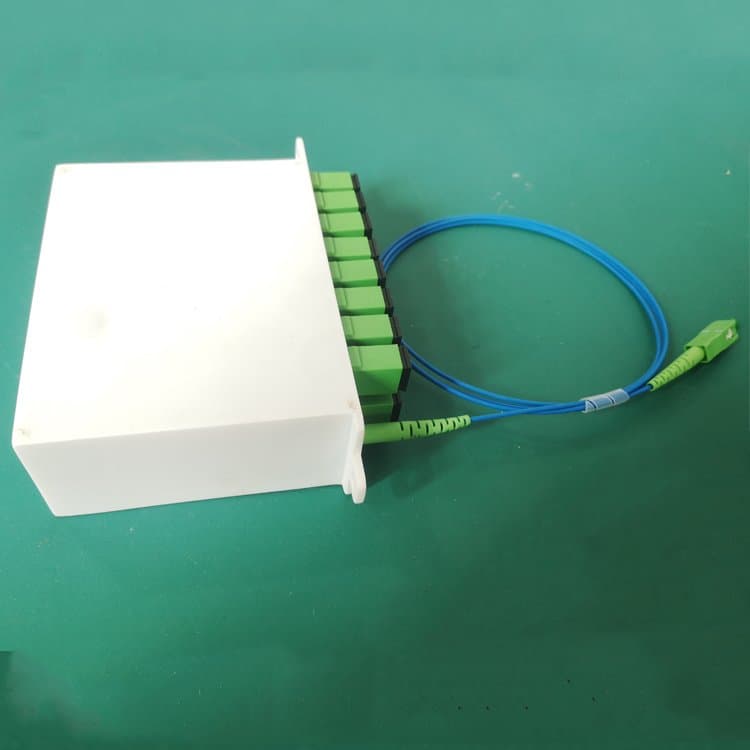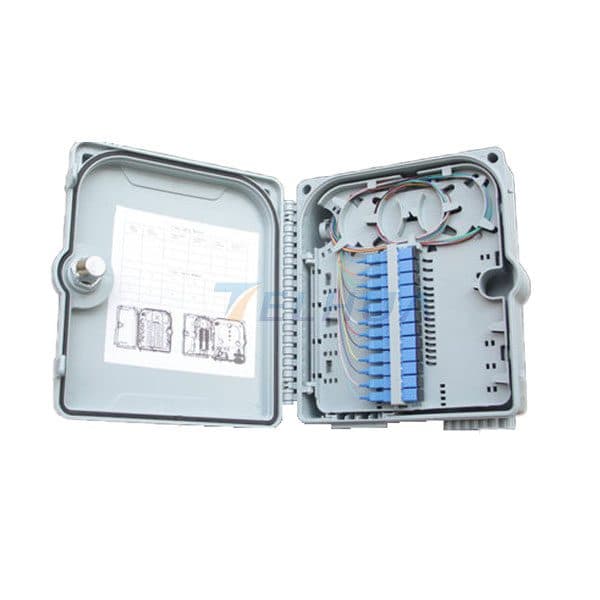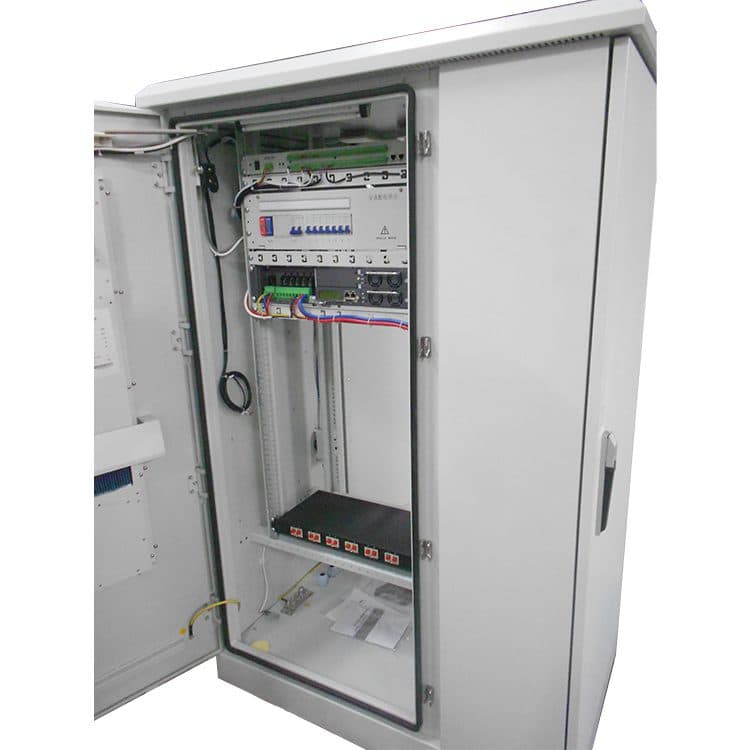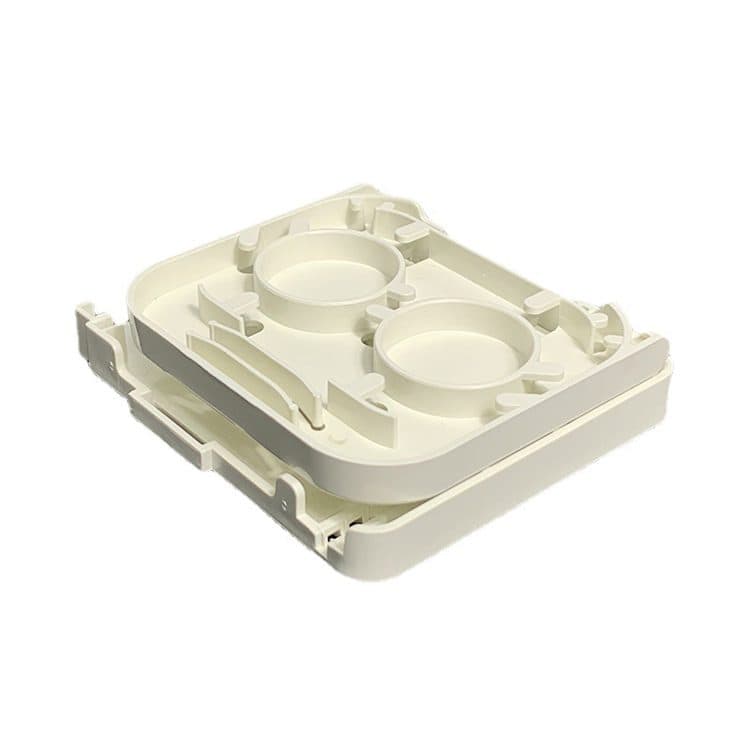

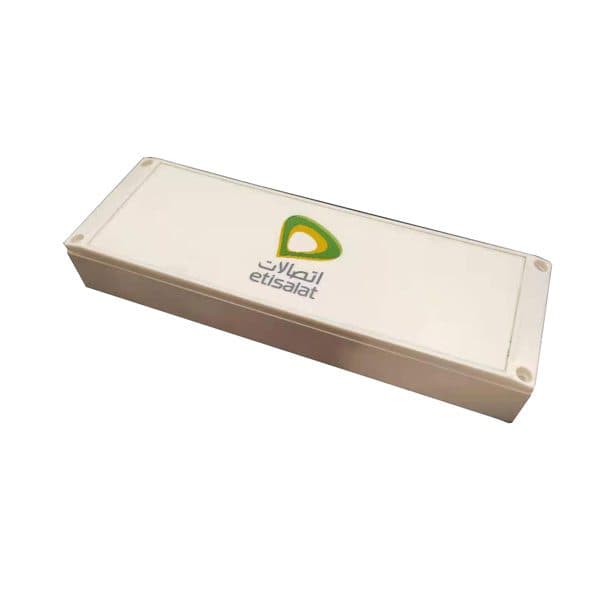
FTTH Etisalat Socket Fiber Optical Telecommunications Outlet SC port adapter Extended ODF
Key Features
- High-quality materials and construction
- Industry standard compliance
- Rigorous quality testing
High-Density Fiber Optic Patch Panel Solution
Telhua's FTTH Etisalat Socket Fiber Optical Telecommunications Outlet with SC port adapter and Extended ODF provides a robust, high-density termination point for fiber optic networks. Engineered for telecommunications providers and enterprise data centers, this solution addresses critical infrastructure challenges with superior port density, installation efficiency, and long-term reliability.
Addressing Core B2B Network Infrastructure Challenges
Network managers and installers face consistent pressure to maximize rack space utilization while maintaining signal integrity and simplifying maintenance. This optical fiber patch panel directly addresses these pain points:
- Space Optimization: The extended ODF design supports higher port density per rack unit, reducing physical footprint requirements.
- Installation Speed: Pre-terminated SC port adapters and clear labeling significantly reduce deployment time and technician errors.
- Signal Reliability: Precision-machined connectors and secure cable management ensure minimal insertion loss and back reflection.
- Future-Proofing: Modular design allows for easy upgrades and reconfigurations without complete system overhaul.
Technical Specifications
| Specification | Value |
|---|---|
| Connector Type | SC/UPC Duplex |
| Port Configuration | 12/24/48 ports (configurable) |
| Insertion Loss | ≤ 0.2 dB |
| Return Loss | ≥ 55 dB |
| Operating Temperature | -40°C to +75°C |
| Fiber Type Compatibility | Single-mode (9/125 μm), Multimode (50/125 μm, 62.5/125 μm) |
| Standards Compliance | IEC 61754-4, TIA/EIA-604-10, RoHS |
| Dimensions (Extended ODF) | 19" rack mountable, 1U/2U height options |
Telhua Engineer's Tip: Managing Bend Radius in High-Density Installations
In high-density optical fiber patch panel installations, maintaining proper bend radius is critical for preventing microbending losses. When routing fibers through the extended ODF, ensure the minimum bend radius never falls below 30mm for single-mode fibers and 15mm for multimode fibers. Use radius-limiting bend protectors at all entry and exit points, and avoid sharp directional changes. This preserves signal integrity and extends cable lifespan, particularly important in FTTH deployments where fibers experience frequent handling during subscriber activations.
Standards and Compliance
This product meets or exceeds international standards including IEC 61754-4 for fiber optic connector interfaces, TIA/EIA-604-10 for fiber optic connector performance, and RoHS directives for environmental safety. These certifications ensure interoperability with existing infrastructure and compliance with global telecommunications requirements.