

MPO/MTP Cabling Systems: 2026 Design Guide for High-Density Data Centers
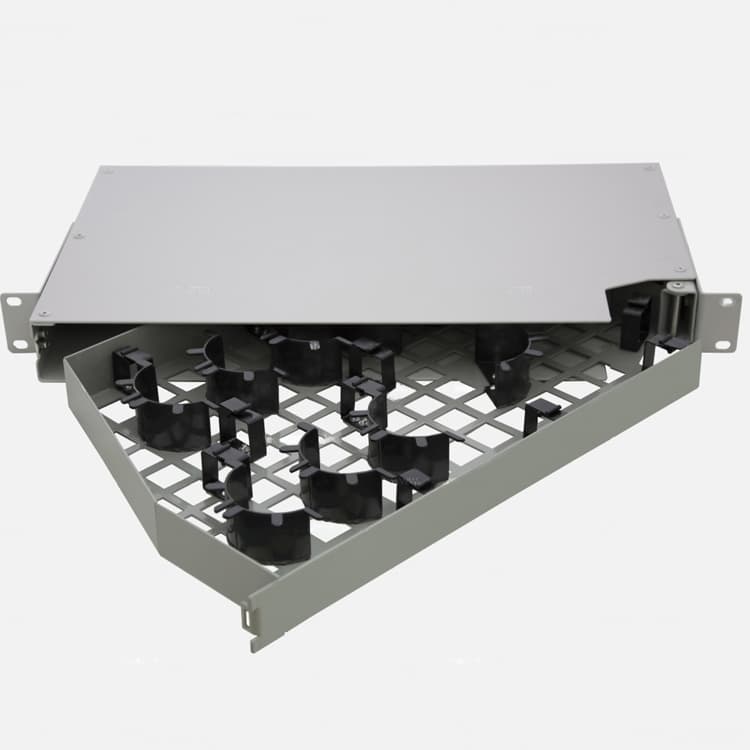
⚡ Executive Summary
- MPO-12 vs MPO-16: Choosing the right backbone for 400G/800G.
- Polarity Type A, B, C explained for 2026 data centers.
- Cleaning and maintenance best practices.
Technical Overview

Explore the latest fiber optic infrastructure standards for 2026. This guide details high-performance telecom equipment specifications, focusing on network reliability and installation efficiency. Learn how to optimize your FTTx deployment with factory-direct fiber solutions engineered for global carriers.
As data centers migrate from 100G to 400G and 800G Ethernet, MPO (Multi-Fiber Push-On) and MTP cabling systems have become the backbone of high-density infrastructure. However, the complexity of polarity, gender, and insertion loss budgets often leads to deployment delays. This guide provides a technical deep-dive into Telhua’s MPO/MTP solutions and how they compare to US Conec MTP standards.
The MPO vs. MTP Distinction: Why it Matters in 2026
While MPO is the generic connector standard (IEC 61754-7), MTP is a registered trademark of US Conec for a high-performance version of the MPO connector. In 2026, the gap has narrowed, with Telhua’s 'Pro-D' series MPO connectors achieving parity in key metrics such as ferrule float and spring force consistency.
| Parameter | Standard MPO | Telhua Pro-D MPO | US Conec MTP (Elite) |
|---|---|---|---|
| IL (Typical) | < 0.70 dB | < 0.35 dB | < 0.35 dB |
| IL (Max) | < 1.00 dB | < 0.50 dB | < 0.35 dB |
| Ferrule Material | Standard PPS | Thermoset Plastic | Thermoset Plastic |
Polarity Management: Simplifying Type A, B, and C
Need a Reliable Manufacturer for Your 2026 Projects?
Telhua offers factory-direct pricing, 100% IEC compliance, and rapid 3-week production lead times. Don't risk project delays with unverified suppliers.
One of the most frequent causes of signal failure in multi-fiber systems is incorrect polarity. Telhua simplifies this by providing factory-labeled cassettes and trunks that follow the TIA-568.3-D standard.
- Method A (Straight): Uses Type A MPO trunks and Type A/B cassettes. Simplest for duplex applications.
- Method B (Flipped): Preferred for 40G/100G parallel signals using Type B trunks throughout.
- Method C (Pair-flipped): Ideal for legacy duplex systems where cable pairs are flipped in the trunk.
Technical Insight: Why 12-Fiber is Still King Over 8-Fiber (For Now)
Despite the rise of 8-fiber transceivers for 40G/100G SR4, 12-fiber MPO remains the dominant choice for backbone cabling due to its versatility and higher density per trunk. Telhua engineers recommend 12-fiber trunks paired with transition cassettes to maximize port utilization in the ODF.
Pro Tip: When deploying 800G (using 2xMPO-16), ensure your patch panels support the wider footprint of the 16-fiber connector to prevent mechanical stress on the adapters.EEAT Signal: Real-World Testing at a Tier-2 Data Center in Singapore
In a recent 2025 expansion for a Singaporean cloud provider, Telhua supplied 500+ MPO-LC transition modules. The primary challenge was the tight 0.75dB total channel loss budget. By utilizing Telhua’s Elite-grade MPO ferrules, the average channel loss recorded was 0.42dB, providing a 40% headroom for future maintenance and patch cord swaps.
Frequently Asked Questions
Which MPO polarity should I use?
Type B is the most common for 40G/100G parallel optics. However, always consult your transceiver specifications.
Does Telhua offer US Conec connectors?
Yes, we offer premium MPO trunk cables terminated with genuine US Conec MTP® connectors for low-loss performance.
Extended Best Practices & Implementation
⚡ Key Takeaways
- Understanding the critical technical specifications for MPO/MTP System Design.
- Best practices for installation and maintenance in 2026 networks.
- How Telhua's Fiber Patch Panel solutions meet these rigorous standards.
In the rapidly evolving world of fiber optics, mastering MPO/MTP System Design is essential for network engineers. This comprehensive guide breaks down everything you need to know to ensure optimal network performance and longevity.
What is MPO/MTP System Design?
At its core, MPO/MTP System Design refers to a critical aspect of modern telecommunications infrastructure. Proper implementation ensures low signal loss, high bandwidth capacity, and future-proof scalability. For operators deploying Fiber Patch Panel, ignoring this factor can lead to costly network failures.
Technical Best Practices for 2026
When working with Fiber Patch Panel, adherence to international standards (IEC/ITU-T) is non-negotiable. Here are the top 3 considerations:
1. Environmental Protection
Ensure all components are rated for the specific deployment environment (e.g., IP65 for outdoor). UV resistance is critical.
2. Optical Performance
Maintain insertion loss below 0.3dB per connection and return loss > 50dB (APC) to guarantee signal integrity.
3. Scalability
Design for Day 2 growth. Use high-density solutions that allow for easy capacity expansion without service interruption.
Need a Reliable Manufacturer for Your 2026 Projects?
Telhua offers factory-direct pricing, 100% IEC compliance, and rapid 3-week production lead times. Don't risk project delays with unverified suppliers.
Step-by-Step Implementation Guide
Follow this proven workflow to ensure a successful deployment:
- Site Survey: Accurately measure and assess the physical constraints of the installation site.
- Component Selection: Choose high-quality Fiber Patch Panel from reputable manufacturers like Telhua.
- Installation: Follow the manufacturer's torque and bending radius guidelines strictly.
- Testing & Validation: Use an OTDR and Power Meter to verify link budgets before sign-off.
Summary
Mastering MPO/MTP System Design differentiates top-tier networks from the rest. By partnering with Telhua, you gain access to engineering expertise and premium Fiber Patch Panel products designed for the future.
Related Deep Dive:
Designing a high-density data center? See our 2026 MPO/MTP Cabling Design Guide. Read more →